
When food manufacturers search for "natural potassium sorbate" or "plant-based potassium sorbate," they are usually trying to solve a practical formulation problem:
How can we remove conventional synthetic potassium sorbate while maintaining the shelf life, microbial stability, sensory profile and processing performance of the finished food?
The search terminology is useful because it describes the manufacturer's objective. However, precise ingredient language is also important.
Cultured Tapioca is not simply another name for potassium sorbate. It is a distinct fermentation-derived preservation platform evaluated for manufacturers seeking a natural alternative in formulations that currently rely on synthetic potassium sorbate.
At Farbe Naturals, this distinction is central to the reformulation process: the objective is not to rename a synthetic preservative. The objective is to replace it with a natural preservation system that performs successfully in the finished food.
Why Is Potassium Sorbate Widely Used?
Potassium sorbate is a conventional preservative used by food manufacturers primarily to help control molds and yeasts.
In the United States, potassium sorbate is listed under 21 CFR § 182.3640 and is generally recognized as safe when used in accordance with good manufacturing practice.
It has remained common in food formulation because it provides manufacturers with several practical advantages:
- Established regulatory status.
- Good solubility compared with sorbic acid.
- Familiarity among formulators and production teams.
- Predictable performance under appropriate formulation conditions.
- Broad commercial availability.
- Relatively low cost in use.
The movement toward natural preservation is therefore not based on claiming that potassium sorbate has never worked. It is driven by a different commercial and formulation objective: creating products without conventional synthetic preservatives while maintaining acceptable performance.
What Do Manufacturers Mean by "Natural Potassium Sorbate"?
The phrase natural potassium sorbate is commonly used as shorthand by companies searching for a naturally sourced or fermentation-derived replacement. It does not necessarily describe the technical identity of the alternative ingredient.
A more accurate way to interpret the search is: "We currently use synthetic potassium sorbate. What natural preservation system can help us achieve the same shelf-life objective?"
For Farbe Naturals, the answer to that question is evaluated through Cultured Tapioca.
| Market or search terminology | More precise technical interpretation |
|---|---|
| Natural potassium sorbate | A natural alternative for a formulation currently using synthetic potassium sorbate |
| Potassium sorbate plant based | A plant- or fermentation-derived preservation system intended to replace conventional sorbate |
| Natural sorbate replacement | A reformulation project with a comparable functional objective |
| Cultured Tapioca | A distinct cultured preservation platform, not simply a renamed synthetic preservative |
This language allows manufacturers to find the solution using familiar terminology while making the technical distinction clear.
What Is Cultured Tapioca?
Cultured Tapioca is a fermentation-derived preservation system based on tapioca. It is developed for food manufacturers seeking to replace synthetic preservatives with an ingredient platform that better supports natural and clean-label formulation strategies.
Cultured Tapioca should be evaluated according to its performance in the final food, not assumed to be chemically identical to potassium sorbate.
The relevant question is not: Is Cultured Tapioca the same molecule as potassium sorbate?
The relevant formulation question is: Can Cultured Tapioca deliver the required microbial stability, shelf life and sensory performance in this specific finished product?
That answer depends on the complete food system.
Why Replacement Is Not Automatically 1:1
Replacing a synthetic preservative with a natural system is not always a direct ingredient exchange. A successful project must consider the interaction among the preservative, formulation, process, packaging and storage conditions.
1. Product pH
The performance of conventional sorbate systems is strongly influenced by pH. Research on sorbic acid has shown that both dissociated and undissociated forms can contribute to inhibition, but the undissociated acid is substantially more antimicrobial. As pH changes, the balance between these forms also changes.
This means that the performance of the current potassium sorbate system cannot be evaluated separately from the product's pH. The same principle applies to a replacement study: the actual pH of the finished formulation must be measured and considered when selecting and evaluating the natural system.
2. Water Activity
Water activity influences whether molds, yeasts and bacteria can grow in a product. It can also affect the movement, availability and distribution of antimicrobial components within the food or packaging system. Research involving potassium sorbate-containing films has demonstrated that both water activity and pH can materially affect preservative diffusion.
Two products with similar ingredient lists but different water activities may therefore require different preservation strategies.
3. Target Microorganisms
A formulation described simply as having a "shelf-life problem" may actually face very different microbial challenges. The primary concern could be:
- Surface mold.
- Osmotolerant yeast.
- Post-process contamination.
- Fermentation by unwanted microorganisms.
- A specific spoilage organism associated with the raw materials.
- Variability caused by plant hygiene or seasonal conditions.
The replacement study should identify the actual failure mode rather than evaluate only total shelf-life days.
4. Initial Microbial Load
A preservative should not be used as a substitute for effective sanitation, raw-material control or good manufacturing practices. The initial microbial population, the organisms present and contamination after processing can materially affect whether a preservation system succeeds.
For this reason, replacement trials should document:
- Raw-material microbiological quality.
- Process controls.
- Cooling conditions.
- Filling or packaging environment.
- Post-process handling.
- Historical spoilage organisms, when known.
5. Processing Conditions
Heat treatment, mixing sequence, holding time and point of addition can affect preservation performance. A natural system may need a different incorporation procedure from the synthetic preservative it replaces.
The evaluation should record:
- Addition point.
- Mixing time.
- Product temperature during addition.
- Pasteurization or cooking conditions.
- Cooling time.
- Filling temperature.
- Contact with air after processing.
6. Packaging and Storage
Packaging is part of the preservation system. Oxygen transmission, headspace, seal integrity, light exposure, storage temperature and distribution conditions can all influence the observed shelf life.
A laboratory result obtained in a closed container at controlled temperature should not automatically be assumed to represent the complete commercial distribution chain.
7. Sensory and Physical Performance
Microbial control is only one acceptance criterion. The natural replacement should also be evaluated for possible effects on:
- Flavor.
- Aroma.
- Acidity perception.
- Color.
- Viscosity.
- Texture.
- Emulsion stability.
- Sedimentation.
- Appearance throughout shelf life.
A preservation system is commercially successful only when it achieves the microbial objective without creating an unacceptable product experience.
Where Can Cultured Tapioca Be Evaluated?
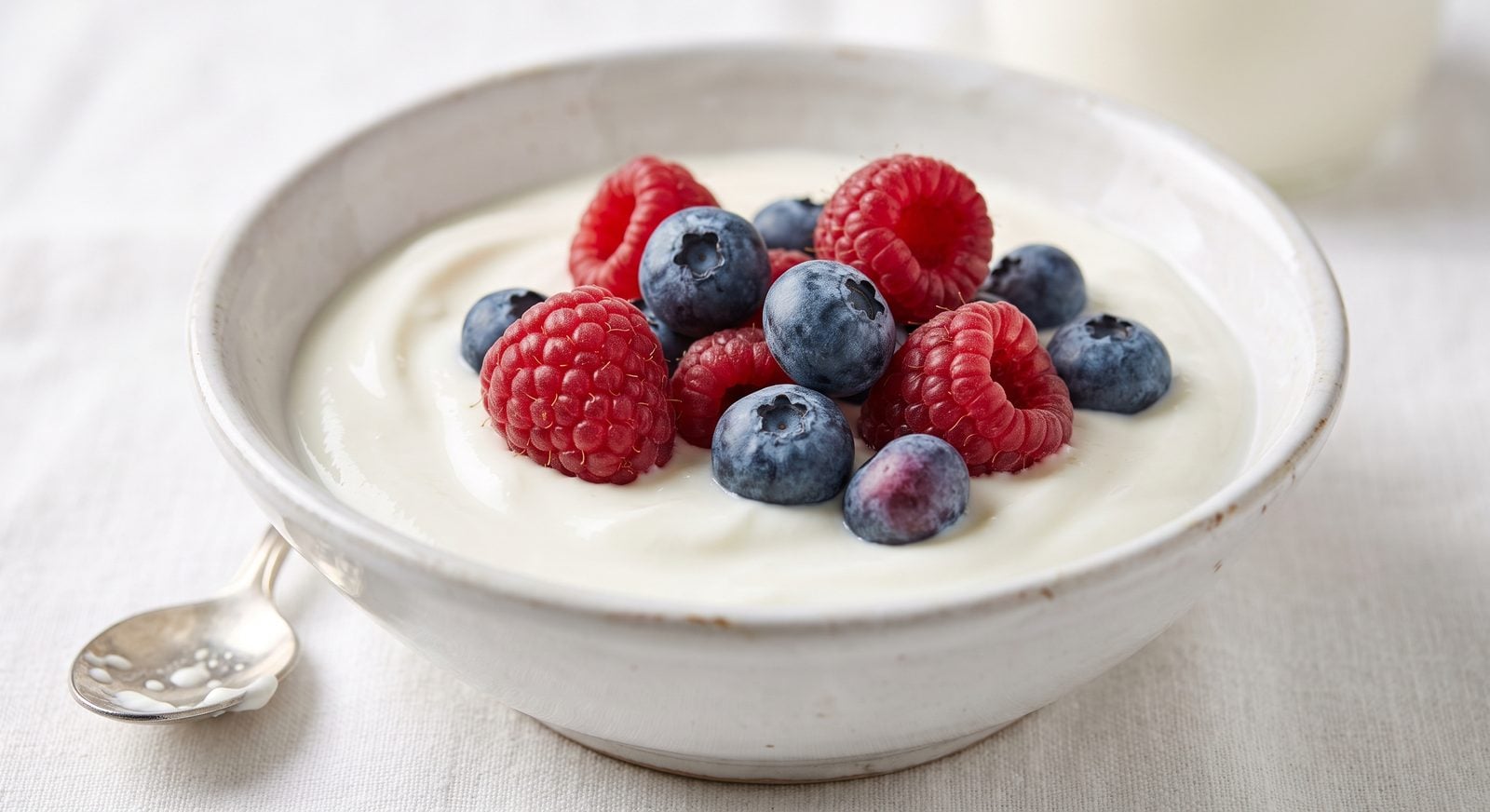
Cultured Tapioca may be considered in reformulation projects involving foods that currently rely on potassium sorbate or similar conventional preservatives. Potential projects can include:
- Sauces and dressings.
- Fruit preparations.
- Bakery fillings.
- Dairy and dairy-alternative systems.
- Beverages.
- Syrups and toppings.
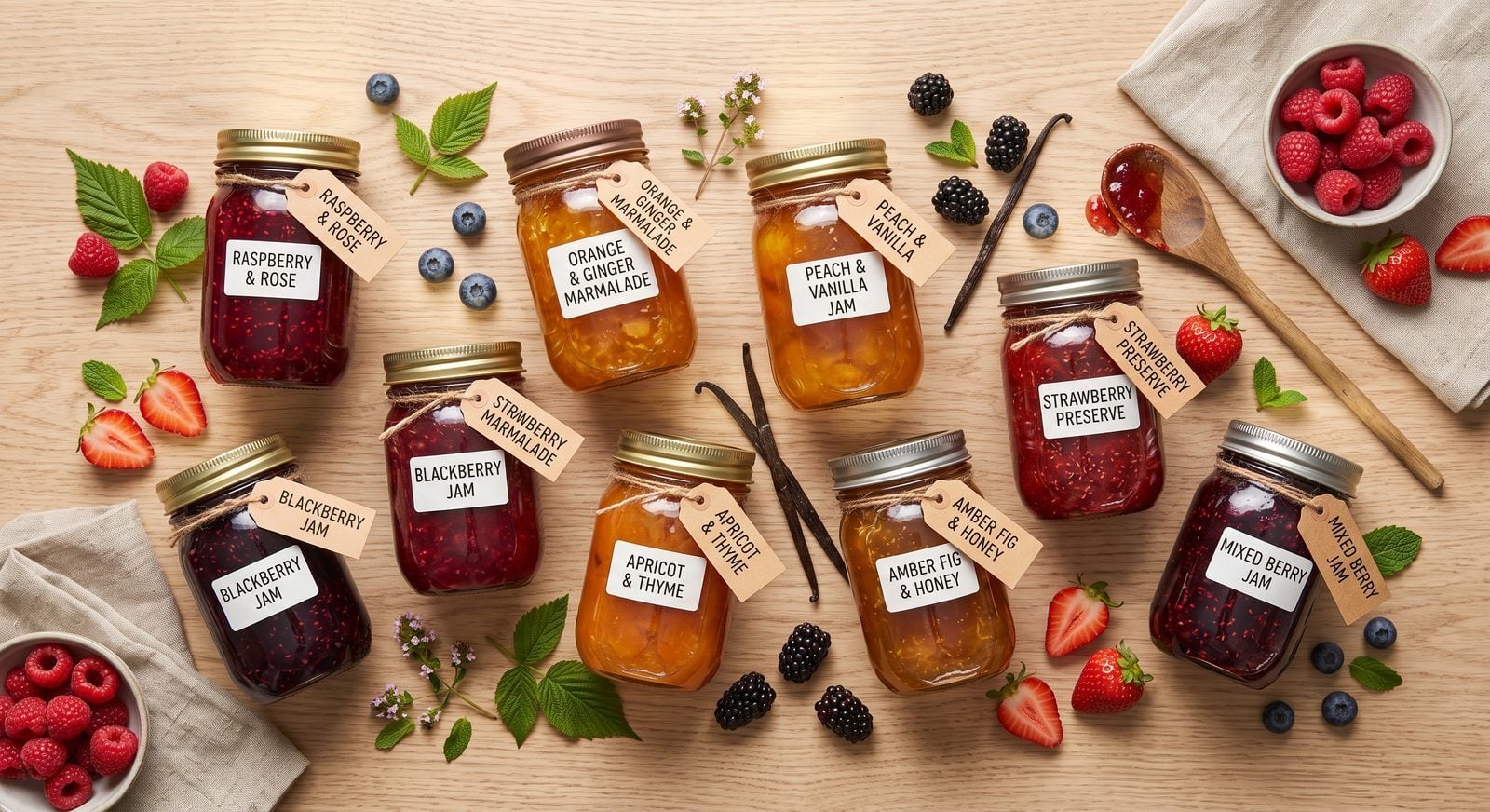
- Jams and spreads.
- Condiments.
- Refrigerated or ambient-stable prepared foods.
This is not a statement that one dosage or one Cultured Tapioca specification will perform identically in every category. Each application requires a compatibility assessment based on formulation, processing, storage and regulatory requirements.
A Practical Replacement Protocol
A properly designed study should compare the current synthetic system with the proposed natural alternative under equivalent conditions.
Step 1: Define the Current Baseline
Document the current preservative and dosage, finished-product pH, water activity, process, packaging, storage conditions, current shelf life, target shelf life and historical spoilage pattern.
Step 2: Establish Appropriate Controls
A useful study commonly includes:
- Current synthetic preservative control.
- Formulation without preservative, when technically and safely appropriate.
- One or more Cultured Tapioca treatments.
- Any formulation adjustment required for the natural preservation strategy.
The negative control helps determine the actual contribution of the preservation system rather than attributing all stability to the added ingredient.
Step 3: Select an Application-Specific Dose Range
The study should not begin with the assumption that Cultured Tapioca will always replace potassium sorbate at the same numerical dosage. The test range should consider the product specification, current preservative level, pH, water activity, microbial target, sensory limits, processing conditions, and the desired label and commercial positioning.
Step 4: Use Commercially Relevant Packaging
Whenever possible, test the product in the same packaging format intended for commercial distribution. Changes in package size, headspace or oxygen transmission can produce results that differ from those observed in a laboratory container.
Step 5: Evaluate Real-Time Shelf Life
Accelerated studies can be useful for screening, but they do not automatically replace real-time validation under the intended storage and distribution conditions. The study should define predetermined acceptance criteria for mold and yeast counts, visible growth, package swelling, pH change, sensory rejection, physical instability and other product-specific failure modes.
Step 6: Confirm Repeatability
A successful first trial should be repeated before making a broad commercial conclusion. Validation should account for different production dates, raw-material variability, normal process variation, commercial-scale production and, when relevant, seasonal or distribution differences.
How Should Cultured Tapioca Be Described?
Recommended
- Cultured Tapioca preservation system.
- Fermentation-derived preservation.
- Natural alternative for formulations using synthetic potassium sorbate.
- Cultured ingredient developed for mold and yeast control.
- Synthetic-to-natural preservative reformulation.
- Designed for application-specific replacement.
- Formulated without synthetic potassium sorbate, when supported by the final formulation and labeling review.
Avoid without specific support
- Cultured Tapioca is potassium sorbate.
- Natural potassium sorbate is chemically identical to synthetic potassium sorbate.
- Universal 1:1 replacement.
- Same efficacy in every food.
- No sensory impact.
- Works at any pH.
- Preservative-free.
- Safer than potassium sorbate.
- FDA approved natural potassium sorbate.
Labeling Requires a Finished-Product Review
Ingredient labeling and claims should be determined from the actual composition, intended technical function, manufacturing process and market where the finished food will be sold.
Under 21 CFR § 101.22(j), a food containing an added chemical preservative generally must declare the common or usual name of the ingredient and separately describe its function, subject to applicable exemptions. This does not determine the correct declaration for every Cultured Tapioca application. It demonstrates why labeling cannot be decided solely from a marketing phrase such as "natural potassium sorbate."
The final ingredient declaration and any claim such as "no synthetic preservatives," "naturally preserved" or "preservative-free" should be reviewed using the ingredient specification, complete composition, technical function in the finished food, supplier documentation, applicable jurisdiction, and the final formulation and label.
A preservative-free claim should never be assumed merely because the preservation system is fermentation-derived.
Frequently Asked Questions
Is Cultured Tapioca the same as potassium sorbate?
No. Cultured Tapioca should be understood as a distinct fermentation-derived preservation system. It is evaluated for manufacturers seeking to replace synthetic potassium sorbate, but it should not simply be described as another name for potassium sorbate.
Why use the term "natural potassium sorbate" in this article?
Because it is a common search phrase used by manufacturers looking for a natural replacement. The phrase helps identify the reformulation objective. The technical solution discussed by Farbe Naturals is Cultured Tapioca.
Is plant-based potassium sorbate an accurate product name?
"Plant-based potassium sorbate" is useful as search terminology, but it may create confusion if used as a technical identity statement. A more accurate description is a plant- or fermentation-derived alternative for formulations currently using synthetic potassium sorbate.
Can Cultured Tapioca replace potassium sorbate 1:1?
A universal 1:1 replacement should not be assumed. Dosage and performance depend on the food matrix, pH, water activity, process, packaging, storage conditions and target microorganisms.
Does pH affect the replacement study?
Yes. pH is one of the most important variables in preservative performance and must be measured in the finished formulation, not estimated only from the recipe.
Can Cultured Tapioca be used in every food application?
No preservation system should be assumed to work universally. Suitability must be evaluated using the relevant product specification and a finished-product shelf-life study.
Can a product using Cultured Tapioca claim "preservative-free"?
That claim requires a separate regulatory and labeling evaluation. A fermentation-derived origin does not automatically mean that a preservative-related claim is appropriate.
Related Reading
- Looking for Natural Sorbic Acid? Understanding Fermented Rowanberry Preservation
- Looking for Natural Calcium Propionate? Understanding FAR-XTEND Fermented Flour Preservation
Request a Cultured Tapioca Compatibility Review
Replacing synthetic potassium sorbate requires more than choosing a new ingredient. It requires understanding the complete formulation and the conditions under which the product must remain stable.
Farbe Naturals can review the technical parameters of a proposed reformulation, including the current synthetic preservative and dosage, application, country of sale, finished-product pH, water activity, processing conditions, packaging, current and target shelf life, primary spoilage concern, sensory restrictions and estimated commercial volume.
Request a Cultured Tapioca Compatibility Review to determine the appropriate next step for your formulation.
References
- 21 CFR § 182.3640, Potassium sorbate. Generally recognized as safe when used in accordance with good manufacturing practice.
- 21 CFR § 101.22, Foods; labeling of spices, flavorings, colorings and chemical preservatives. See paragraph (j) on declaration of chemical preservatives and their function.
- Eklund, T. "The antimicrobial effect of dissociated and undissociated sorbic acid at different pH levels." Journal of Applied Bacteriology, 54, 383-389 (1983). DOI: 10.1111/j.1365-2672.1983.tb02632.x.
- Diblan, S. and Kaya, S. "Potassium sorbate diffusion in multilayer polymer films: effects of water activity and pH." Journal of Food Processing and Preservation (2018). DOI: 10.1111/jfpp.13544.
Author: Farbe Naturals Technical & Regulatory Team. Technical review: pending. Last updated: August 2026.
← Back to all articles